

Whether you're relaunching your website or building one from scratch, you'll need photos. A lot of them. And if those photos look like everyone else's, your site will too.
Building a company image bank is one of the most practical investments a marketing team can make. Done properly, a single day of shooting covers your website, your social channels, your trade press needs, and your internal communications — for the entire year.
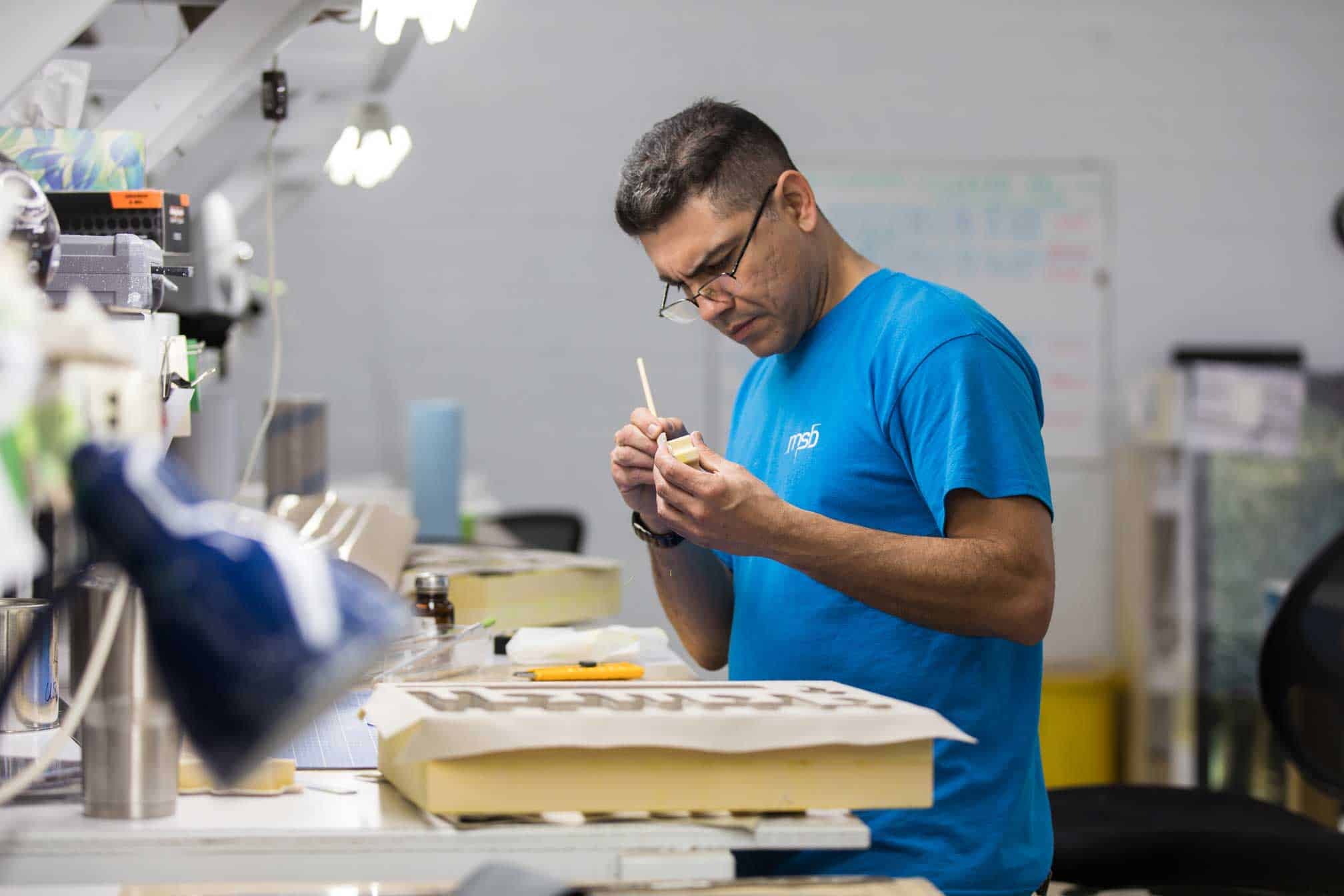
Why stock photography is a trap
Stock photo libraries are tempting. They're fast, they're cheap, and they're everywhere. That last part is the problem.
Search for the kind of image your company needs and you'll find the same results your competitors found:
- Young professionals in a glass-walled meeting room
- A confident executive looking into the middle distance
- A "diverse team" collaborating over laptops
- Someone in a hard hat looking purposeful
There are thousands of companies pulling from the same pool. The result is a website that looks generic because it is generic. Free platforms like Unsplash don't solve this — you get a beautiful full-screen image that says nothing about what your company actually does.
What a dedicated shoot produces
When you book a photographer for a full day, the economics work in your favour. Day rates are typically better than hourly, and a well-planned shoot can generate several hundred usable images across multiple uses.
In a single day on-site, you can realistically cover:
- Individual headshots for the entire team
- Group and department photos
- Behind-the-scenes and day-in-the-life shots
- Facility, product, and environment photography
- Candid working shots for social content
That's 12 months of content in one morning and afternoon.
I receive mandates to produce in-house stock photography frequently. Sometimes from brands wishing to generate a huge volume of imagery that they can then drip out over a number of marketing campaigns, and more often directly from businesses themselves, who book me to shoot mock meetings, beauty shots of their factories or venues, product and people at work (day in the life) type photos. Once onsite I may also get asked to grab a few headshots or team photos as well. In a single day of shooting you can conceivably get your entire staff photographed, in their respective teams as well as individually, and generate a few hundred around the office or shop floor shots that can be used for any number of things beyond your own website.
When to book
January and February are often slower months for most businesses — fewer disruptions on-site and easier to get staff together. Mid-June and early July work well if you want outdoor shots or want your team looking their best.
The fall is a good time to plan for the following year. If your new VP is speaking at a conference in March, you don't want to be scrambling for a usable headshot in February.
The long-term case

Social channels, trade publications, event presentations, internal communications, recruiting materials — all of them need imagery, and all of them need it regularly. Building a library of your own photography means you're never pulling from the generic pile and never caught short when an opportunity comes up.
An image bank is a digital asset. Like any asset, it compounds over time.
If you're planning a shoot for the coming year, I'd be happy to talk through what a day on-site might look like for your team. Contact me here. You might also find it useful to see how I approach employer branding photography and executive portraits.
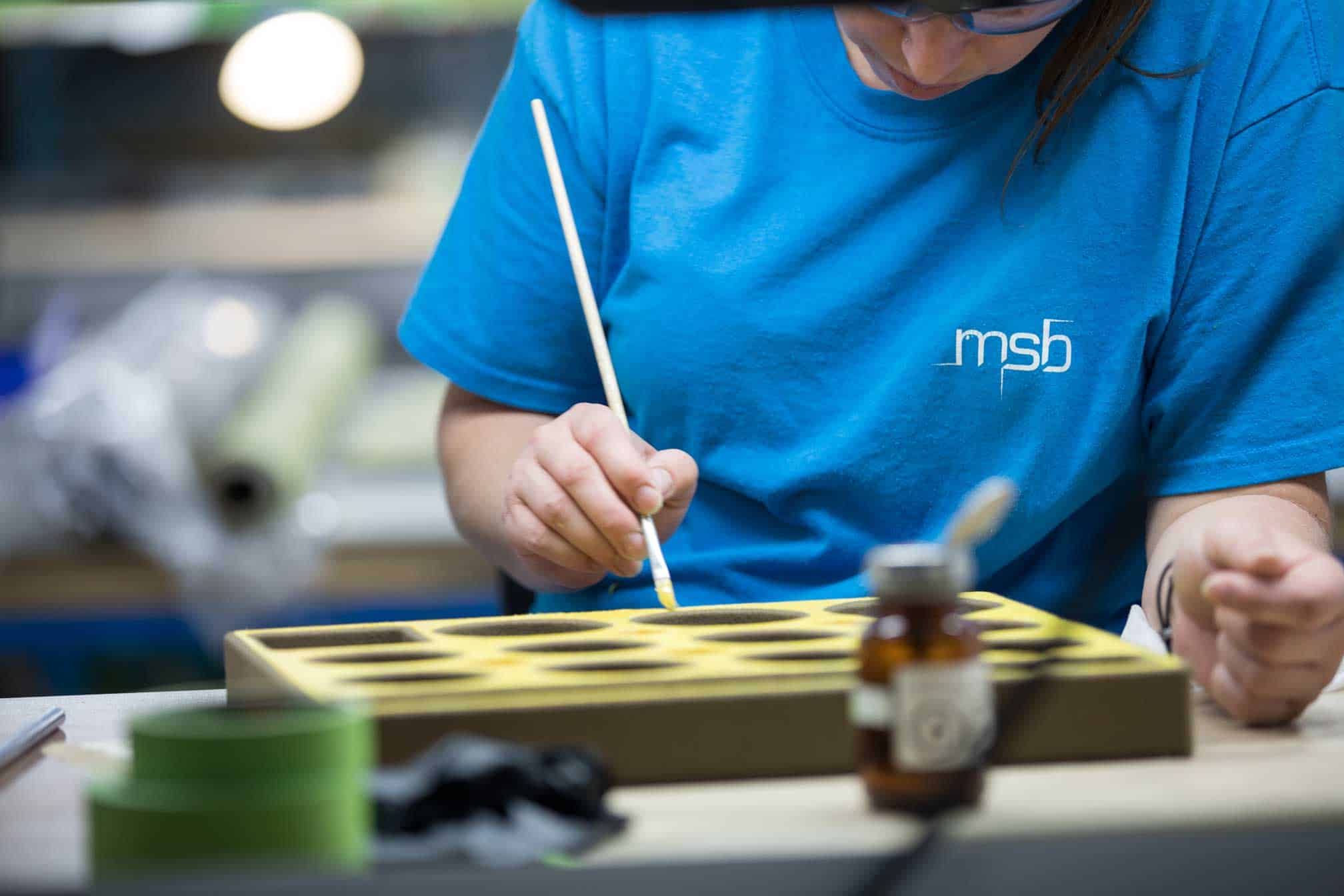 Hiring your own photographer and working with him or her to develop a creative shot list of your own people, products, office space/manufacturing environment is not only far more useful and adaptable to your needs — it is probably cheaper too.
Stock images come with costs for licensing and the better ones can be fairly restrictive.
The transition seasons (spring and fall ) are very good times to start planning for your upcoming needs. Look ahead and start thinking about booking a photographer for January or February (often slow business months which translates into fewer on-site work disruptions). Alternatively, mid-June or July can be good months to capture images inside and outside your office and your staff tends to look a little healthier around that time of year too.
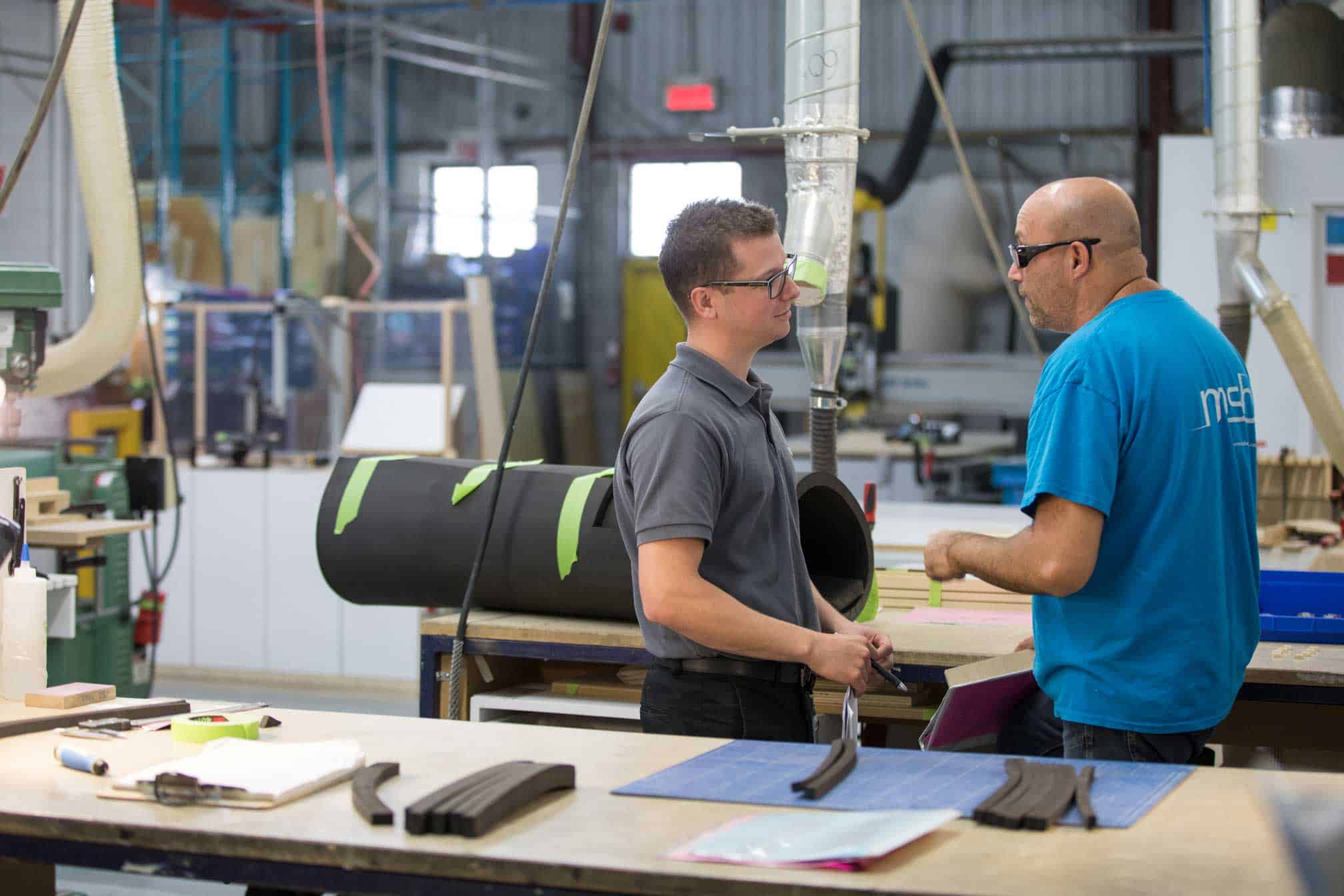
Building up an image library is an investment in a digital asset that all companies need - regardless of industry. I can think of very few firms who do not have need of some kind of professional photography for their websites, marketing materials, social channels and trade publications. Make it part of the annual marketing calendar of activities and you’ll never have to scramble again for a usable headshot of your new VP who’s just been asked to speak at a conference.