

One of the most common questions I get from event managers and conference organizers is some version of: how many hours do you need?
It's a fair question, and the honest answer is: it depends on what you're actually trying to capture. Here's how to think through it.
Start with the end use
Before you look at the agenda, ask what you'll do with the photos. A highlight gallery for your website needs different coverage than a full documentary record of a two-day conference. A single hero image for a press release needs different coverage than 50 shots for LinkedIn content.
Knowing the end use shapes everything else — how many hours, how many locations, whether you need a second shooter, and what kind of editing turnaround makes sense.
There are some rare clients for whom budget is no object and they would rather have the peace of mind of knowing the photographer they hire will be there to cover whatever is happening, wherever, whenever and they don't want to waste time parsing out an agenda to reduce the hours (and the bill). They would rather pay full pop and get more than they need and sort it out afterwards. These are great clients to have.
The early arrival question
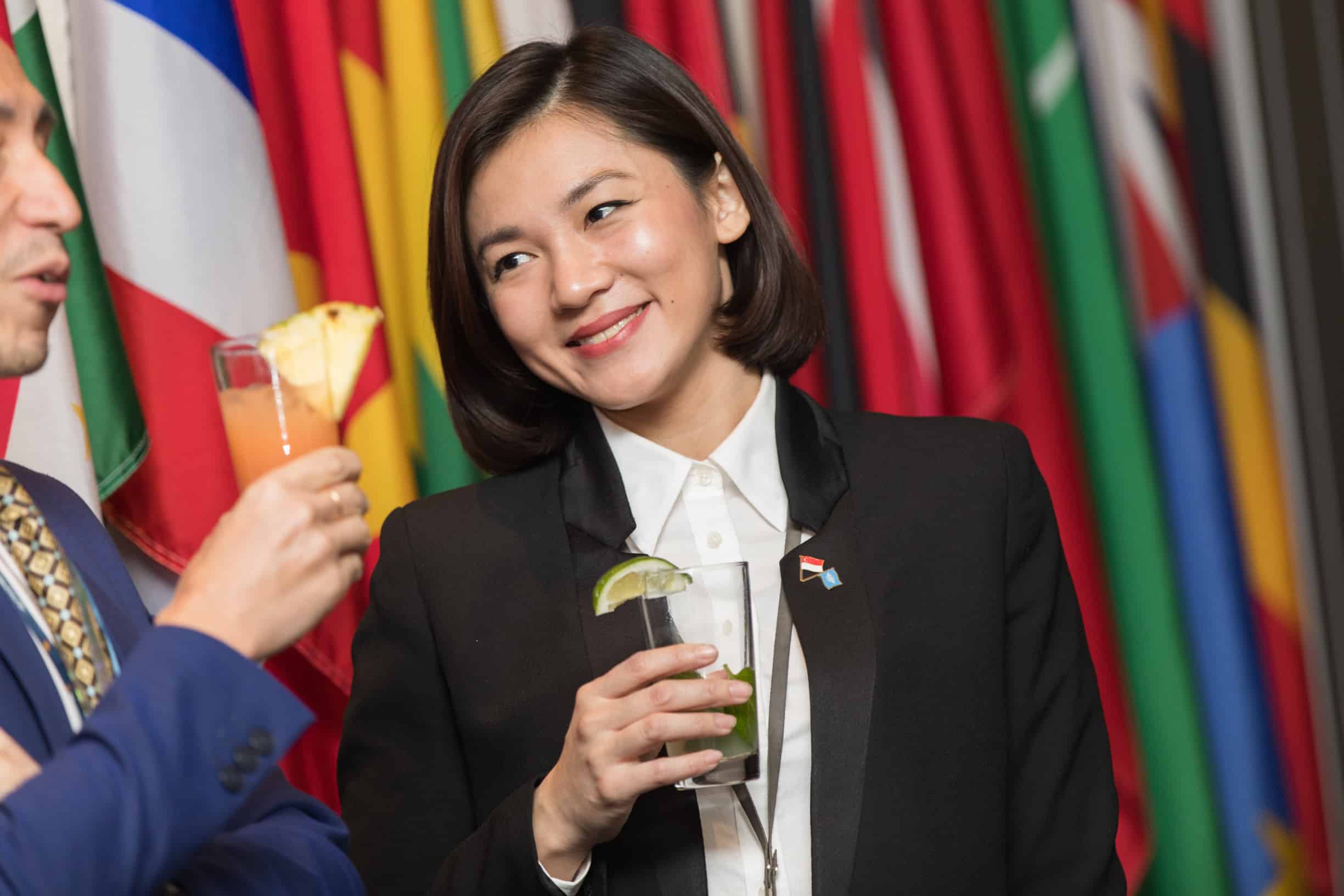
Clients often ask photographers to arrive 60 to 90 minutes before anything begins. Sometimes that's warranted — complex multi-room setups, a VIP arrival that needs to be documented, a tight morning schedule with no margin. Often it isn't.
An experienced event photographer can read a room, understand the flow of an agenda, and know what to prioritize within 15 to 20 minutes on-site. If the first substantive moment is the opening keynote at 9:00, a 7:30 call time is probably costing you money without adding much value.
For example, I am often asked to arrive onsite up to an hour to an hour and a half before anything actually begins. This is almost always to mitigate a client's anxiety or worry about not having a photographer be there when they really need them and may speak more to the reliability of some freelancers than to the anxieties of the client, but the net result is either a lot of unpaid time for a photographer, or an increase in cost to a client paying for something they don't really need. Every professional photographer or videographer I've worked with or hired has been able to size up a space, the pacing of an event and digest the order of action for even multi-day, multi-location events in a very short time. It does not usually require more than 15-20 minutes as it is usually very obvious to a professional what is important, and what isn't.
Repetitive formats
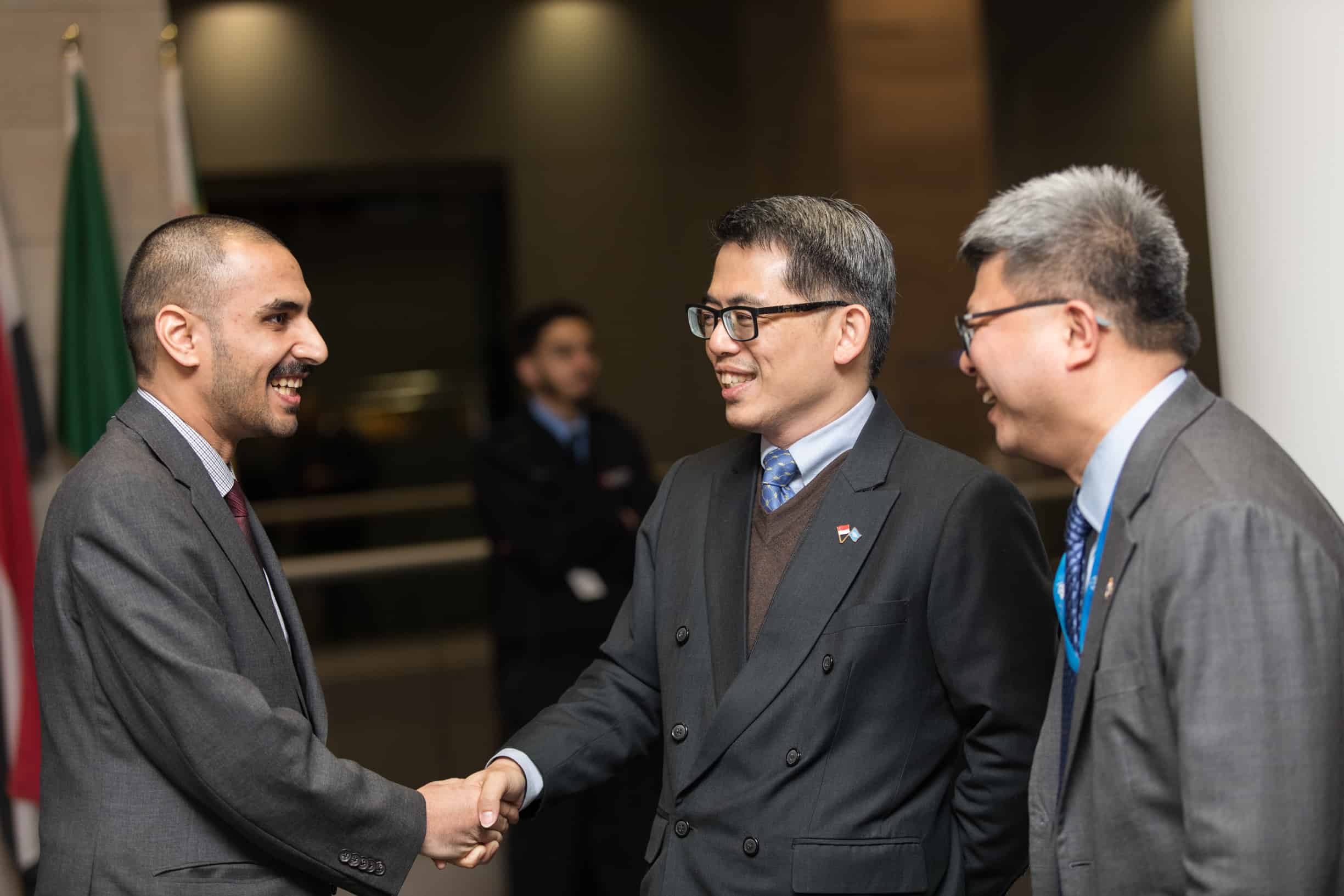
Some events involve the same setup repeated across multiple sessions — breakout workshops, roundtables, panel discussions in similar rooms with similar lighting. If the goal is to show the atmosphere and engagement of the event rather than document every session individually, you may not need full-day coverage.
A good photographer will tell you honestly when you've captured enough of a given format. If yours doesn't, ask.
Short engagements
A two-hour cocktail reception is worth photographing. But short bookings carry a minimum fee regardless of duration — travel, setup, editing, and delivery time don't compress proportionally. If you're planning a short event, budget for a minimum rather than an hourly rate, and structure the shoot to make the most of the time.
The practical approach
Walk through your agenda with your photographer before confirming the scope. Flag the non-negotiable moments — the award presentation, the opening remarks, the group photo — and identify the lower-priority filler. A short conversation upfront usually results in a tighter quote, fewer surprises on the day, and better images because the photographer knows exactly where to be.
If you're planning a conference or corporate event in Montreal and want a frank conversation about what coverage makes sense for your format and budget, I'd be happy to talk it through. You can also see how I approach conference photography and corporate event coverage.