
Everything moves faster now.
Event photography has always demanded speed, but the bar has shifted. It used to be enough to deliver a polished gallery within 24 hours. Today clients expect a steady stream of images during the event itself — while guests are still in the room.
Why real-time delivery matters
The moment something happens at an event, attendees are already posting it. A keynote moment, an award, a candid laugh between colleagues — it's on Instagram before the applause dies down. Event managers want to tap into that same momentum and direct it toward their own channels.
The standard approach is an event-specific hashtag, communicated to all attendees upfront. That pulls in organic content from everyone in the room. Professional photography fed into the same stream — quickly selected, lightly edited, and delivered on-site — amplifies the effect and keeps the visual quality high.
One reason for this, of course, is to meet the expectations of event attendees who will be snapping and posting photos of the event on their personal social media feeds. Event managers want to tap into that same excitement but keep eyes trained on their social channels and leverage the content and media generated to support the event. This is usually managed by assigning and communicating to all an event specific #hashtag which helps pull in photos and videos posted by everyone who uses it, not just the paid professionals hired to cover the event.
Life's more fun in real time
The big screen experience
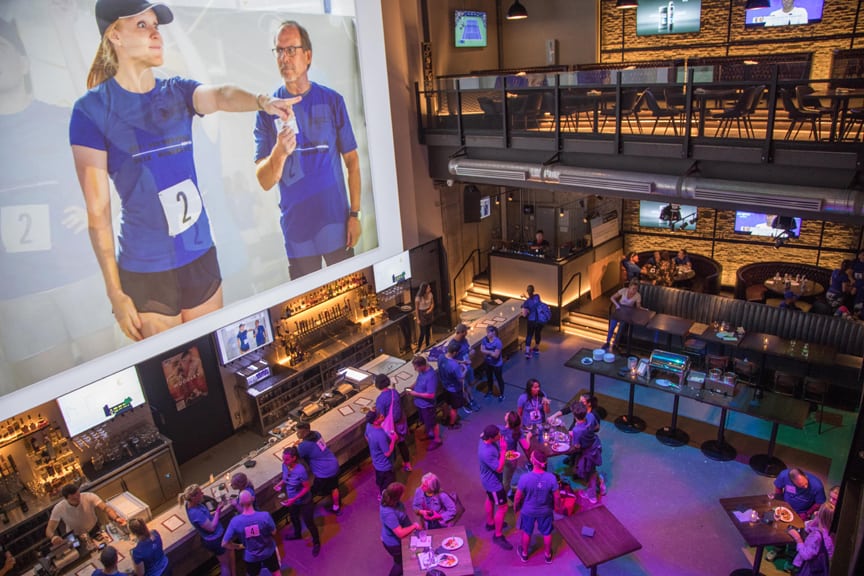
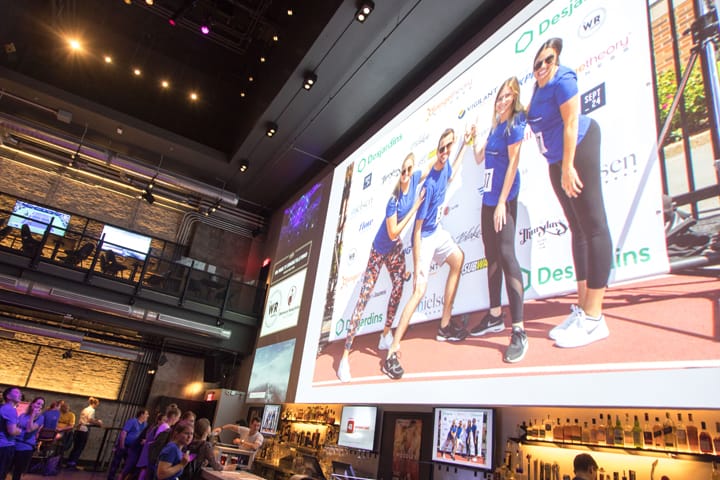
Many venues now offer large-format display capability. A curated slideshow of the day's best images, running in real time during a reception or gala dinner, adds a dimension that guests remember. They're watching for themselves, for their colleagues, for the moment they didn't know was being captured. It creates energy in the room and extends the life of the event past its scheduled end time.
A highlight reel delivered as a grand finale — two or three minutes of the day's best moments, cut on-site — takes it further still.
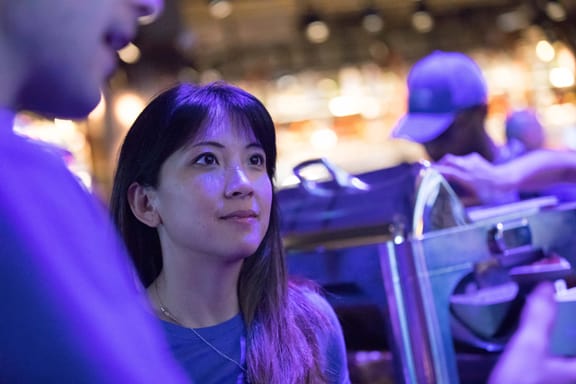
Not only does the instant show provide an added element of fun for attendees (who are all waiting to catch a glimpse of themselves in the shots selected) but it is also fun for the event photographer who usually sends off his or her images to a client’s email without ever really seeing how people use or react to the images that have been generated, curated and crafted into a storyline.
I want to be a star on the big screen
What this requires from your photographer
Not every event photographer works this way. Real-time delivery requires a specific workflow: tethered shooting or fast wireless transfer, on-site culling and light editing, and a delivery mechanism that gets images where they need to go without interrupting the shoot.
If your photographer is sending a Dropbox link two days later, you're leaving a significant engagement opportunity on the table.
The business case
Corporate events are expensive. The photography investment is a fraction of the total budget, but it's the asset that outlasts the event itself — on your website, your LinkedIn, your internal communications, and next year's event promotion. Capturing that asset in real time, while the energy is live, makes it more useful and more authentic than anything staged after the fact.
If you're planning a conference, summit, or corporate event in Montreal and want to talk through how real-time delivery could work for your format, I'd be happy to discuss it. You can also see examples of how I cover conferences and corporate events.