

Photography Basics
Natural Lighting
Improve your photography with these quick dives into photo basics
Natural Lighting
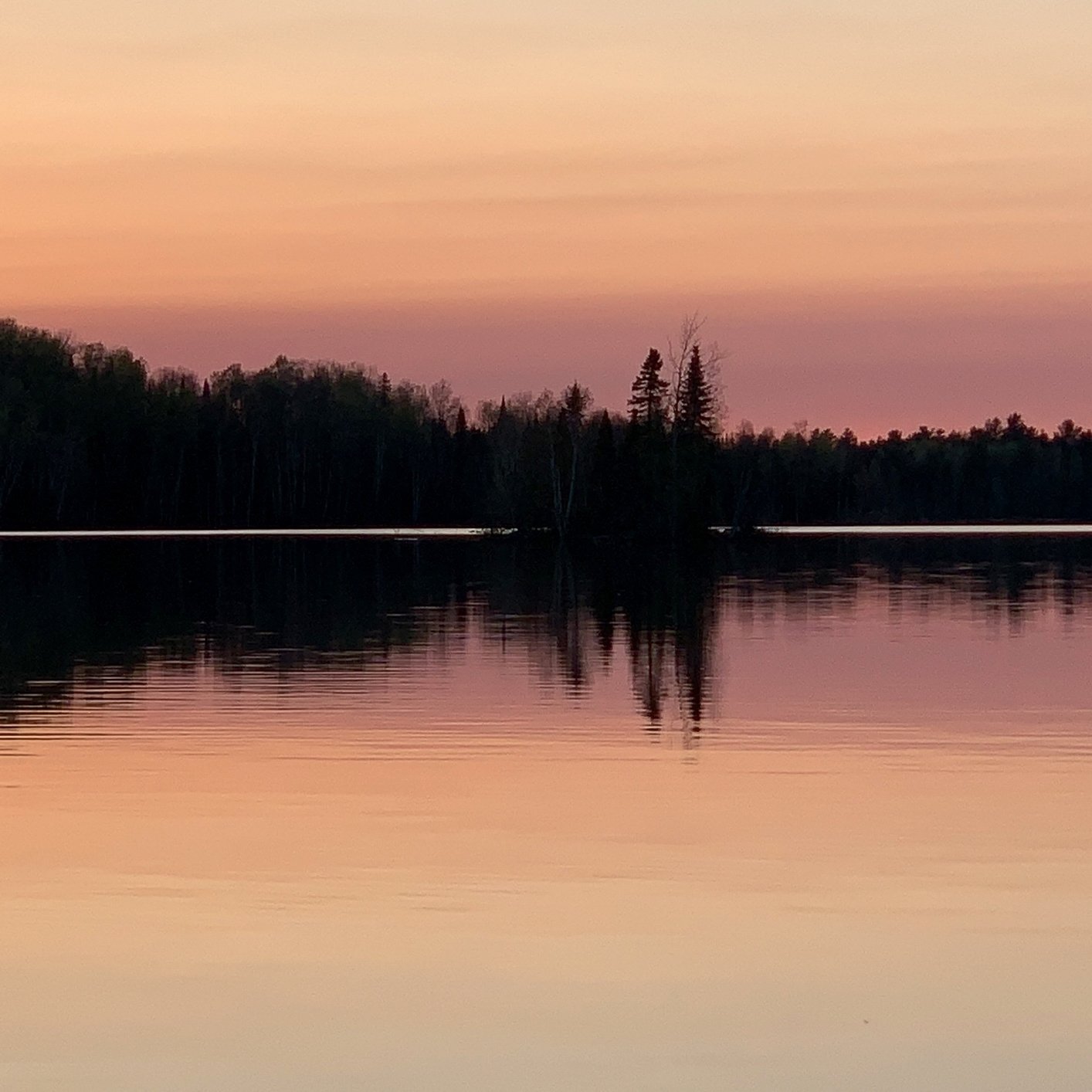
What is the "natural lighting" and why is it important in photography?
Natural lighting can transform a photograph, infusing it with depth, warmth, and vibrancy. Because our eyes are accustomed to seeing in natural light (i.e. light that comes from the sun in all its many hues, levels of intensity and luminosity and at all times of the day - and night) we inherently find it appealing. Mastering the art of using natural light effectively can enhance the quality of your images, whether you're shooting portraits, landscapes, still life or detailed shots while travelling. Here are five tips to help you harness the power of natural lighting in your photography
1. Create magical images during "Golden Hour"
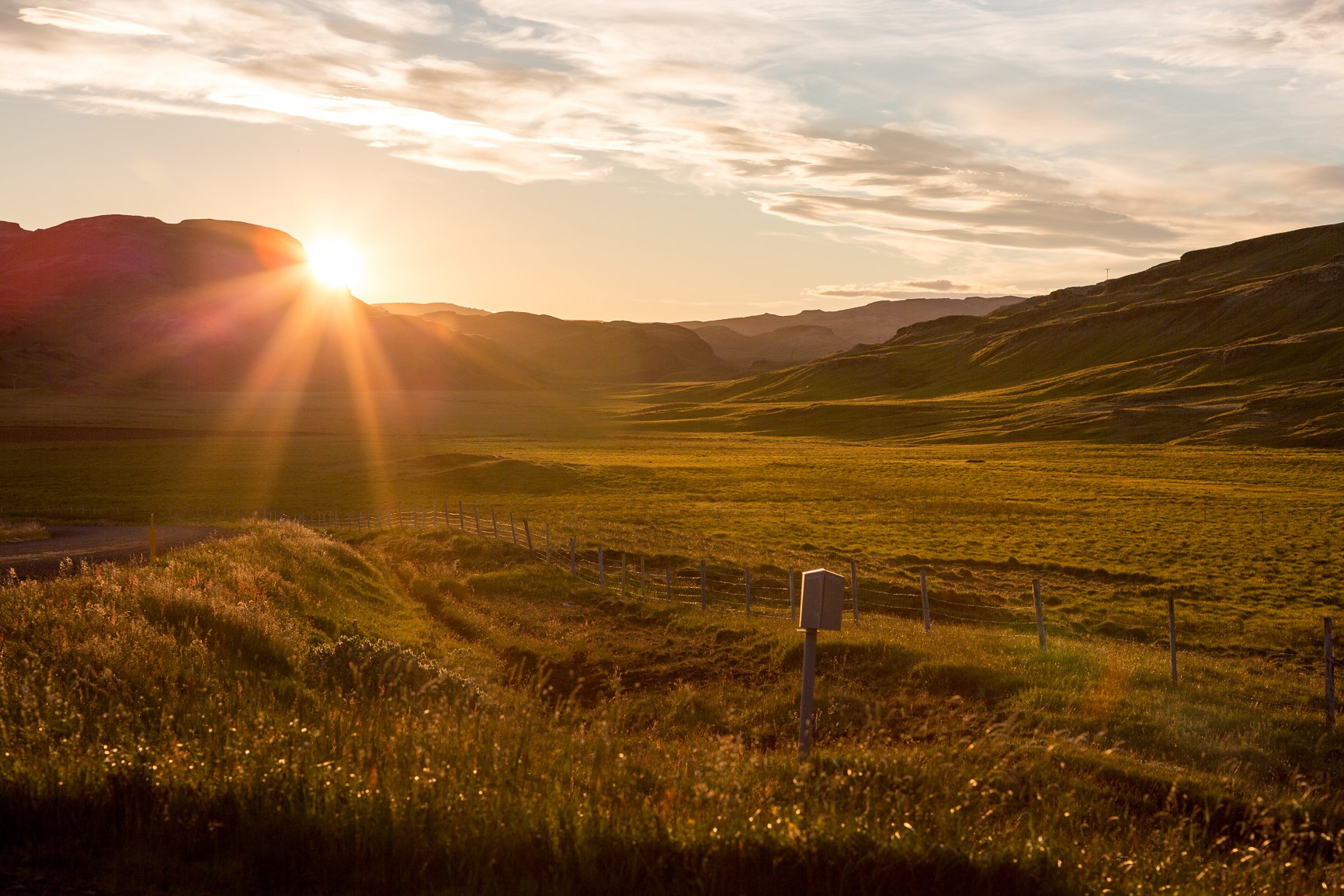
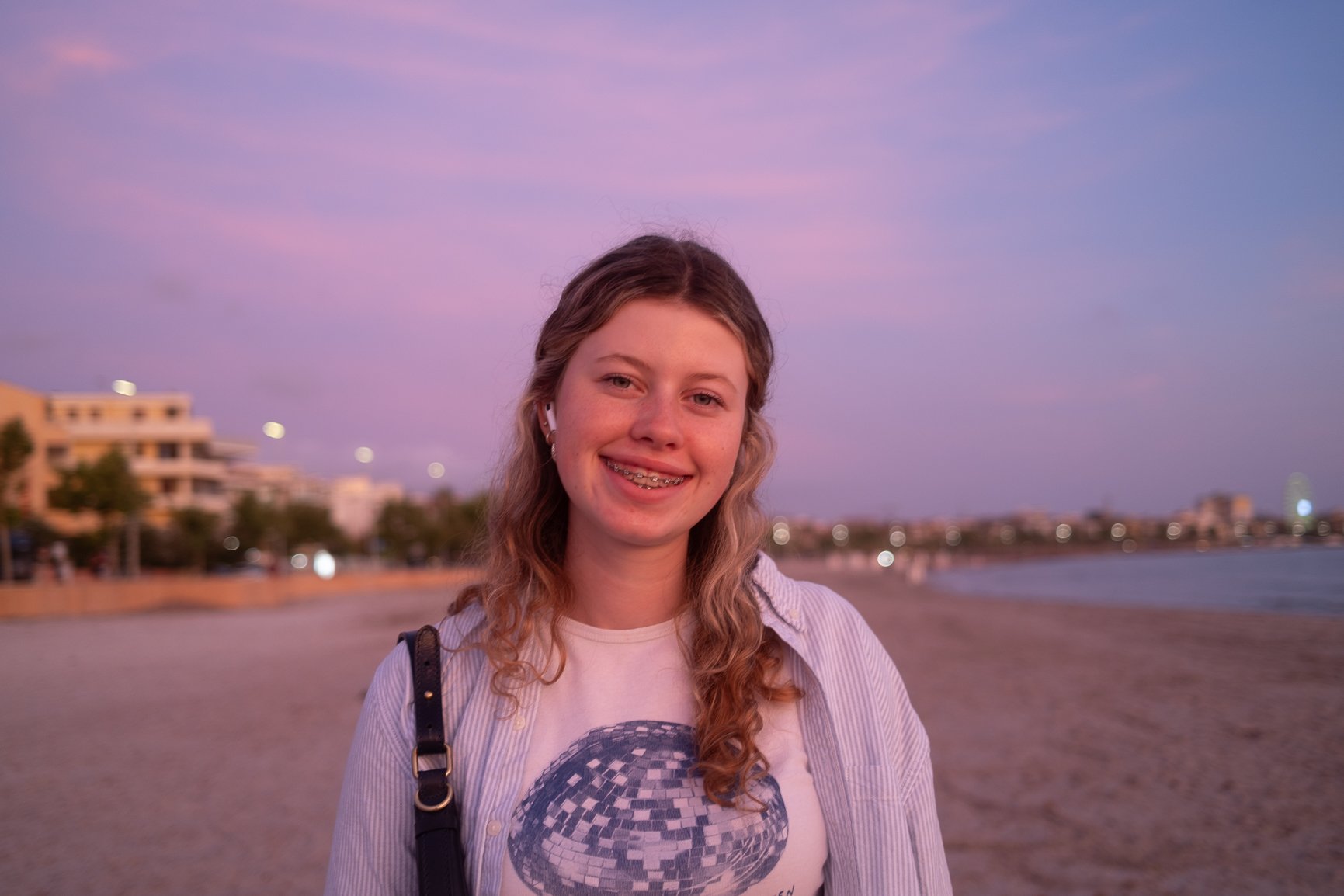
The golden hour—shortly after sunrise and just before sunset—provides a soft, warm light that is flattering for all types of photography. During this time, the sun is low in the sky, casting long shadows and creating a gentle, diffused glow. This light adds a beautiful warmth to portraits, enhances the colors of landscapes, and brings out the textures in your subjects. Plan your shoots during the golden hour to take advantage of this naturally stunning light. The shot shown here above is still one of my favourite all-time travel photos taken at 4 am on morning in a mystical Icelandic landscape. The photograph below is a bit of a cheat on the theme as it is actually shot during ‘blue hour’ which occurs before sunrise (or in this case right after sunset) when the sky takes on a deep blue and purplish hue. *Shot with Fuji X100VI
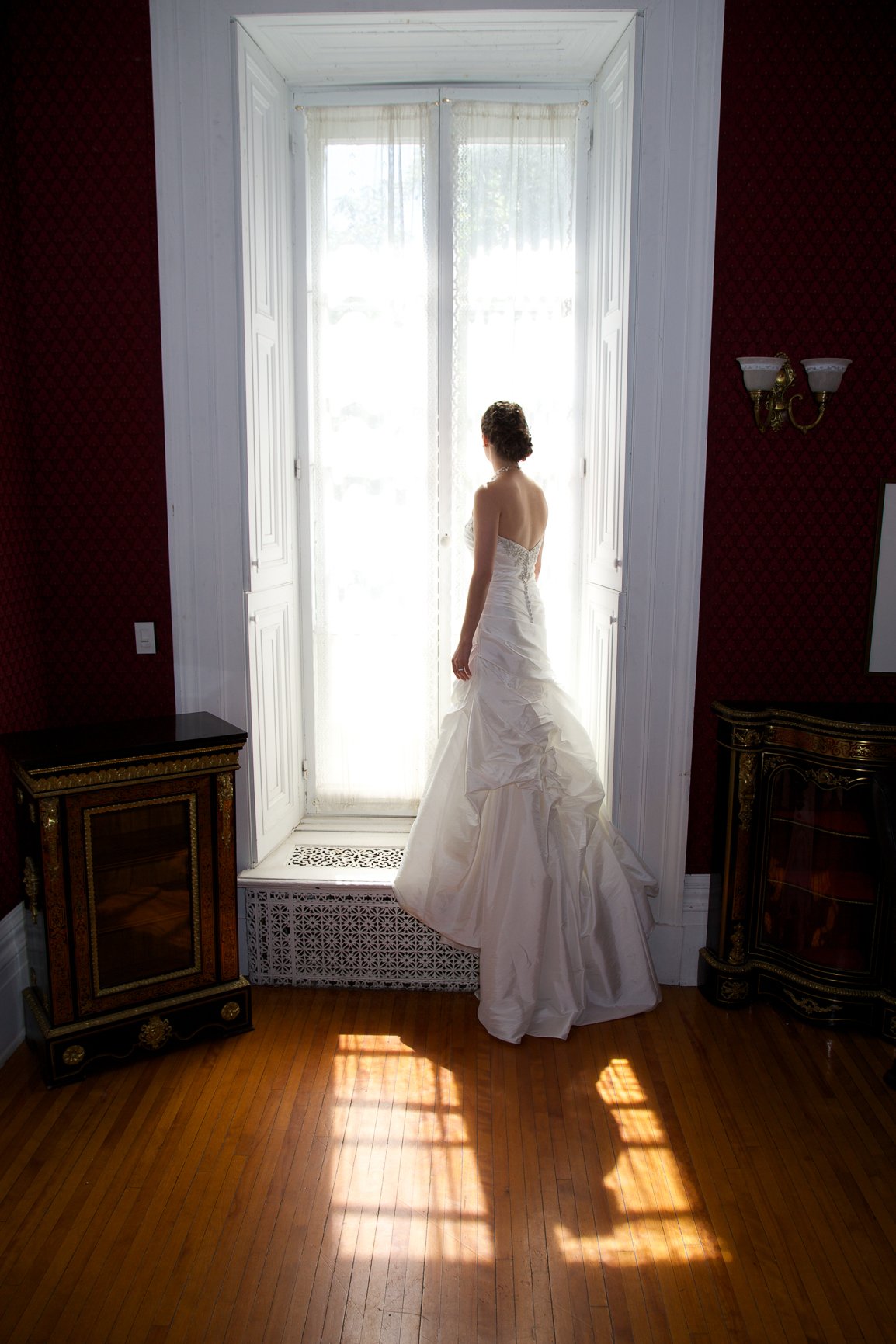
2. Take advantage of window light

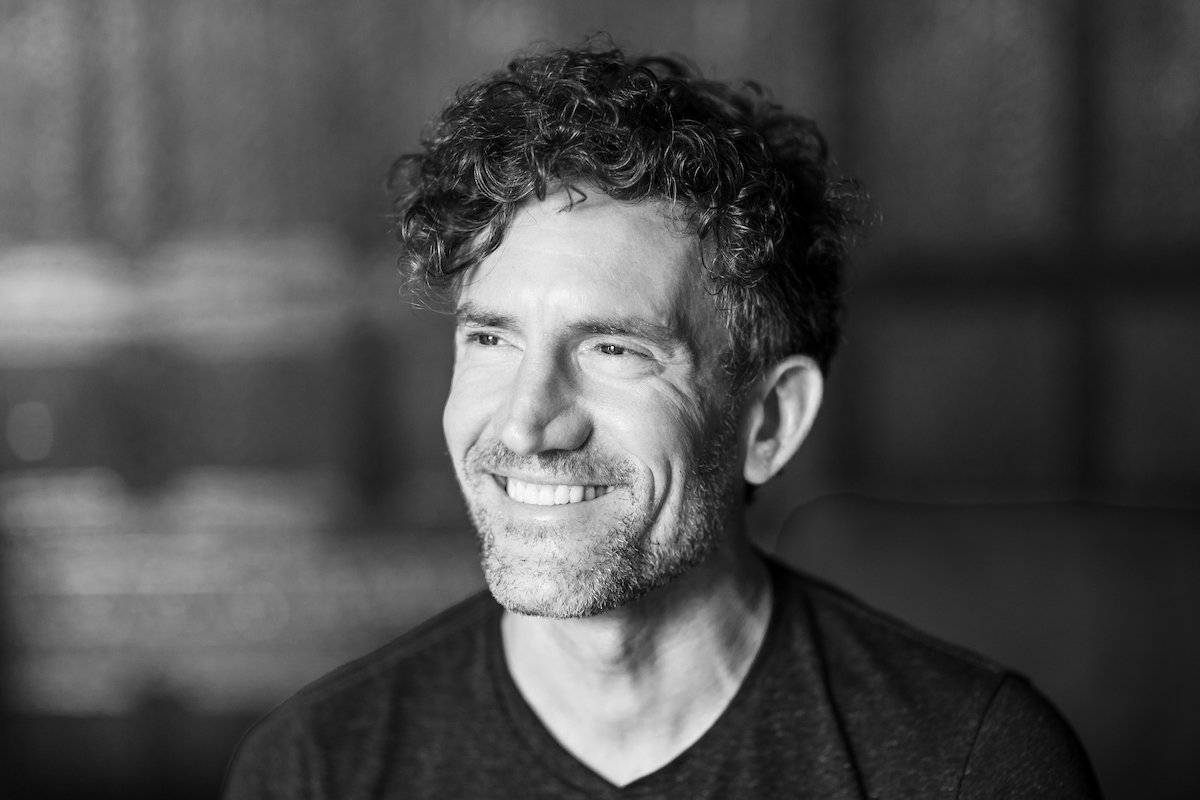
For indoor photography, window light is an excellent natural light source. Position your subject near or facing a window to take advantage of the soft, directional light it provides. Window light can be particularly effective for "day-in-the-life" type portraits like this one here. Use sheer curtains to diffuse the light if it is too harsh, creating a softer and more even illumination. Experiment with different angles and distances from the window to find the most flattering light for your subject.
3. Embrace overcast days

I'm going to let you in on a little professional photographer secret: we love cloudy days. While sunny days can produce harsh shadows and high contrast, overcast days offer diffused, even lighting that is ideal for photography. (If you've ever has a professional portrait taken, those big softboxes covering up the photographer's lights are basically doing what cloud cover does to the sun). The clouds act as a natural diffuser, softening the sunlight and reducing the risk of blown-out highlights and deep shadows. This type of light is perfect for portrait photography, as it minimizes imperfections and creates a gentle, flattering effect. Don't shy away from shooting on cloudy days—embrace the soft, even light they provide.
4. Use backlighting for dramatic effect
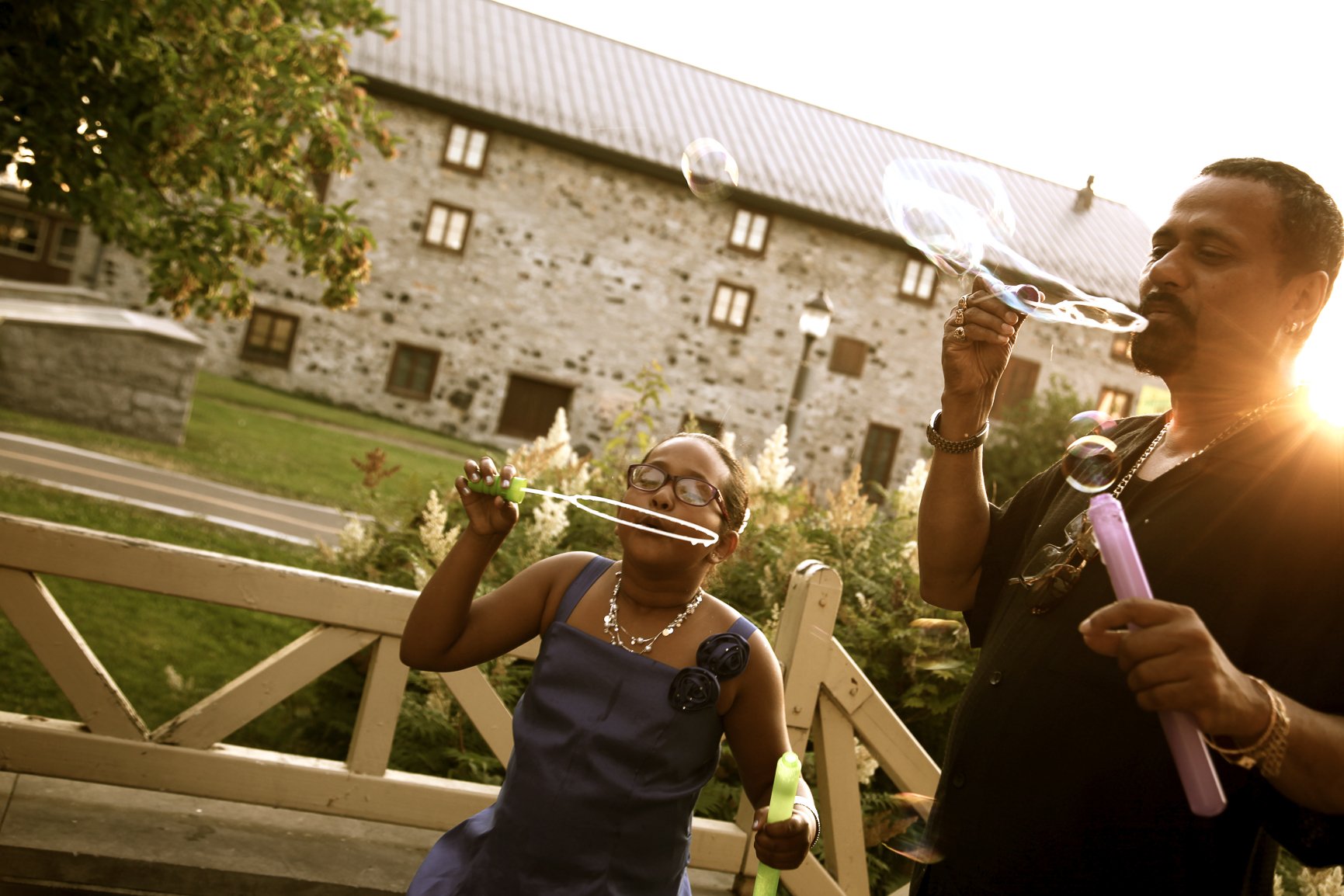
Backlighting involves positioning your subject between the light source and the camera. This technique can create dramatic and visually striking images, especially during the golden hour when the light is warm and soft. Backlighting can produce beautiful rim lighting around your subject, highlighting their silhouette and adding a sense of depth to the photo. To avoid underexposure, use spot metering to ensure your subject is properly exposed, or experiment with exposure compensation to achieve the desired effect.
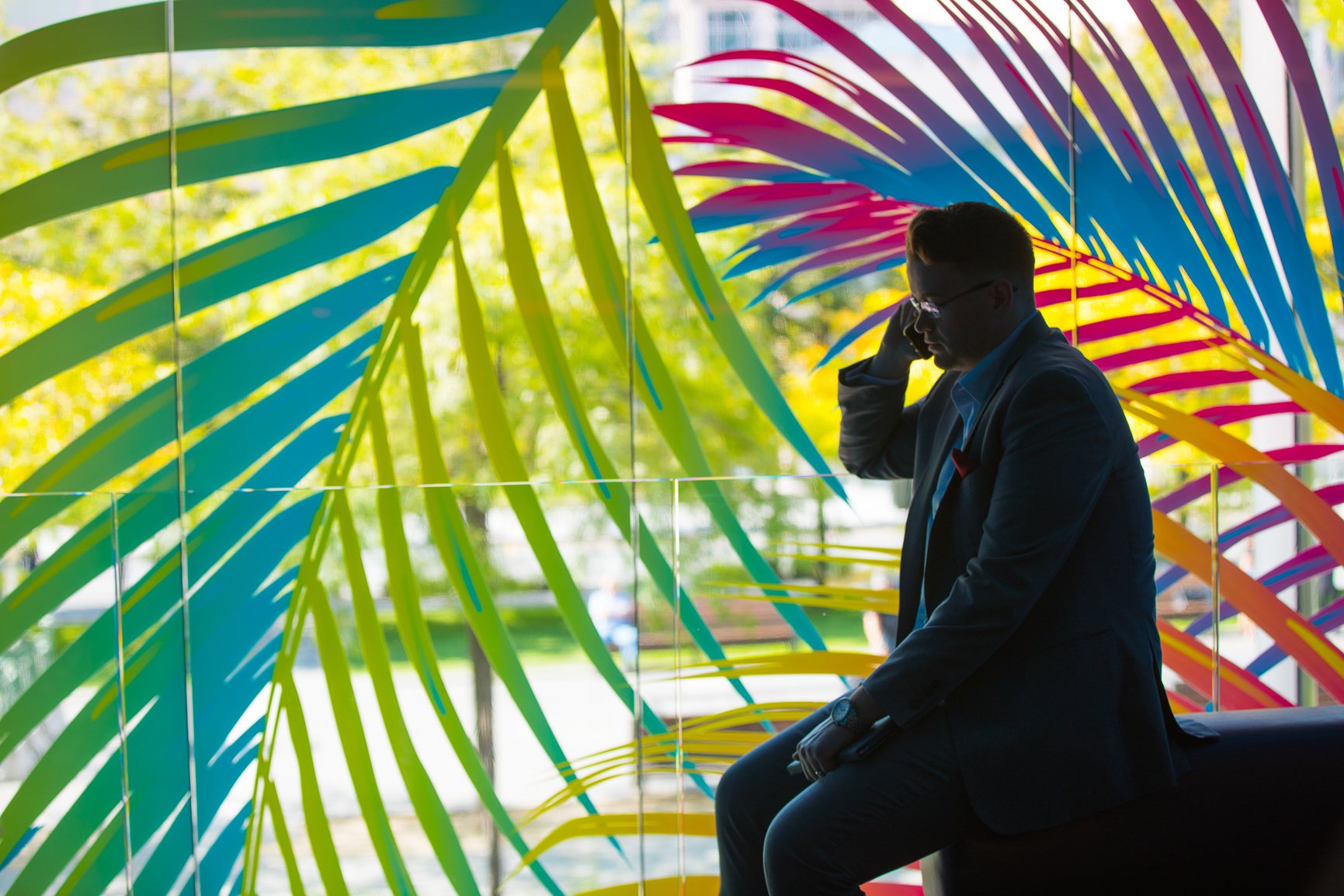
5. Experiment with silhouettes
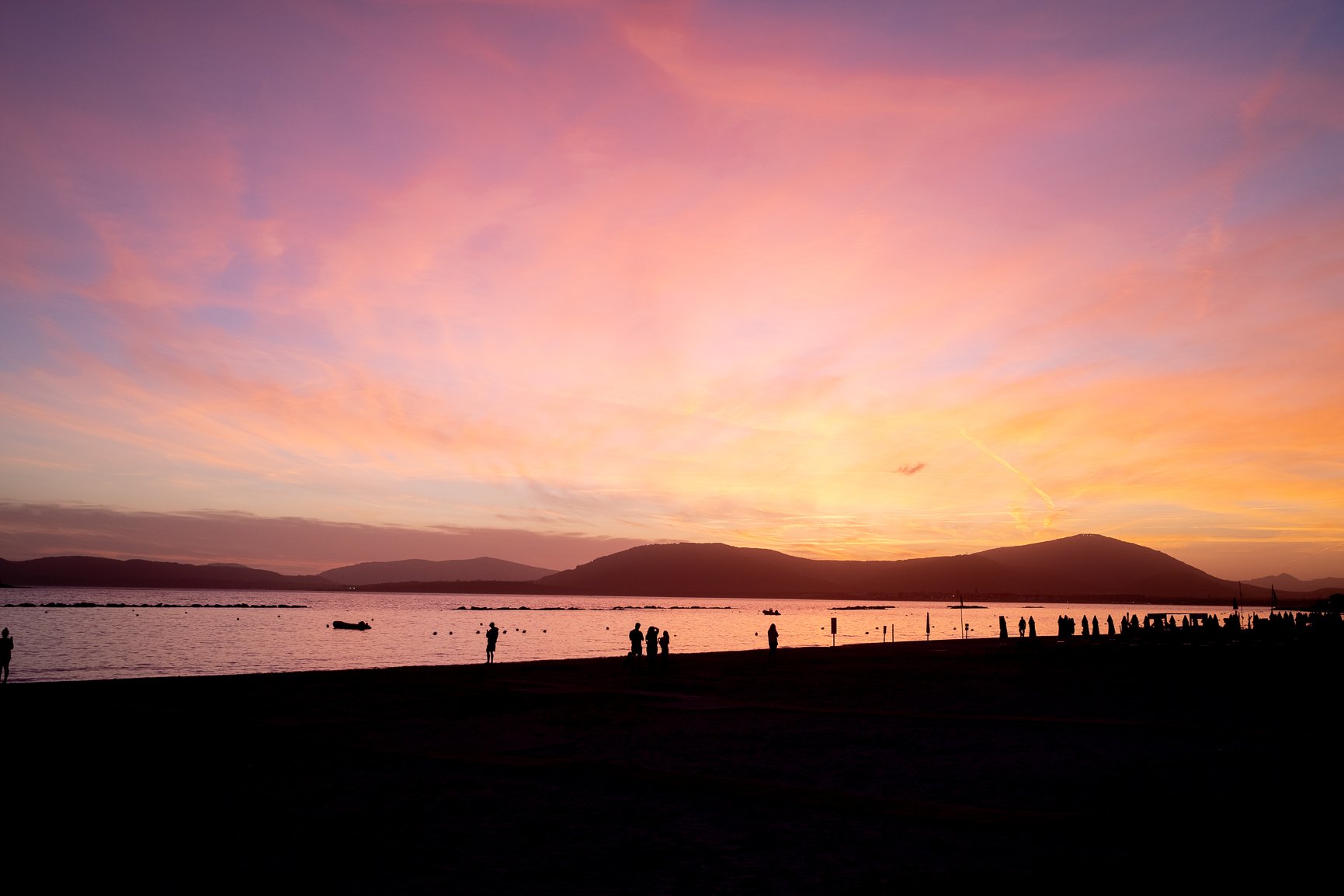
Silhouette photography is a powerful way to create striking and memorable images. To capture a silhouette, position your subject in front of a bright light source, such as a sunrise or sunset. You will often find opportunities for these kinds of shots at sunset on a beach, for example. Expose for the bright background, allowing your subject to be rendered as a dark shape against the colourful sky. This technique works particularly well with recognizable shapes and strong, simple compositions. Silhouettes can convey emotion, drama, and mystery, making them a compelling addition to your portfolio.
Elevate Your Next Event with Professional Visuals
Looking to capture the essence of your corporate events, conferences, or marketing campaigns? Our expert team is ready to provide top-tier photography, videography, and animation services. Contact us now to discuss how we can bring your event's memorable moments to life visually!