
Smiling is the Secret Ingredient to Creativity
Explore how smiling can boost creative thinking and problem-solving.

The Science of Smiling
Positive Emotions and Innovation
Creativity thrives in an environment of positive emotions. When you’re in a good mood, your brain is more open to new ideas, more flexible in its thinking, and more able to notice and forge unusal connections that can lead to powerful insights. Smiling, as a powerful trigger of positive emotions, plays a key role in this process.
Research shows that the act of smiling can actively enhance your mood, even when the smile isn’t entirely genuine. This phenomenon isn’t just psychological—it’s grounded in biology and neuroscience.
Beyond the Smile
The Relationship Between Positive Emotions and Creativity
Creativity thrives in an environment of positive emotions. When you’re in a good mood, your brain is more open to new ideas, more flexible in its thinking, and more willing to explore novel solutions to problems. Smiling, as a powerful trigger of positive emotions, plays a key role in this process.
One of the most influential theories in this area is Barbara Fredrickson’s Broaden-and-Build Theory of positive emotions. According to this theory, positive emotions like happiness and joy (often associated with smiling) broaden an individual’s thought-action repertoire, leading to increased cognitive flexibility and the ability to think more creatively. This broadened perspective allows individuals to see more possibilities, make connections between seemingly unrelated ideas, and approach problems from different angles.
How Smiling Enhances Creativity
1. Increased Cognitive Flexibility
Smiling, by inducing positive emotions, increases cognitive flexibility—the ability to switch between different concepts or perspectives and think about multiple concepts simultaneously. This flexibility is essential for creative thinking because it allows you to approach problems in new ways and consider unconventional solutions. The broadened attention that comes with positive emotions helps you see connections between ideas that you might have missed in a more neutral or negative emotional state.
2. Improved Problem-Solving Ability
Positive emotions triggered by smiling can lead to improved problem-solving abilities. When you’re in a positive mood, you’re more likely to engage in what’s known as “divergent thinking,” which involves generating a wide range of possible solutions to a problem. This contrasts with “convergent thinking,” which focuses on finding the single best solution. Divergent thinking is crucial for creativity, as it allows for the exploration of multiple possibilities and the development of innovative ideas.
3. Enhanced Motivation
Smiling and the positive emotions it generates can also enhance motivation. When you’re in a good mood, you’re more likely to feel motivated to tackle challenges and persist in the face of obstacles. This increased motivation can drive you to explore creative solutions and invest the time and effort needed to develop innovative ideas. Research published in the Journal of Personality and Social Psychology found that individuals in a positive mood were more persistent in creative tasks, leading to better outcomes and more creative solutions .
4. Greater Openness to New Ideas
Positive emotions, often triggered by smiling, make you more open to new ideas and experiences. This openness is a key trait of creative individuals, who are often characterized by their willingness to explore new possibilities and take intellectual risks. One study found that participants who were in a positive mood were more likely to embrace novel ideas and consider alternative perspectives, which is essential for creative problem-solving.
Explore more from our blog
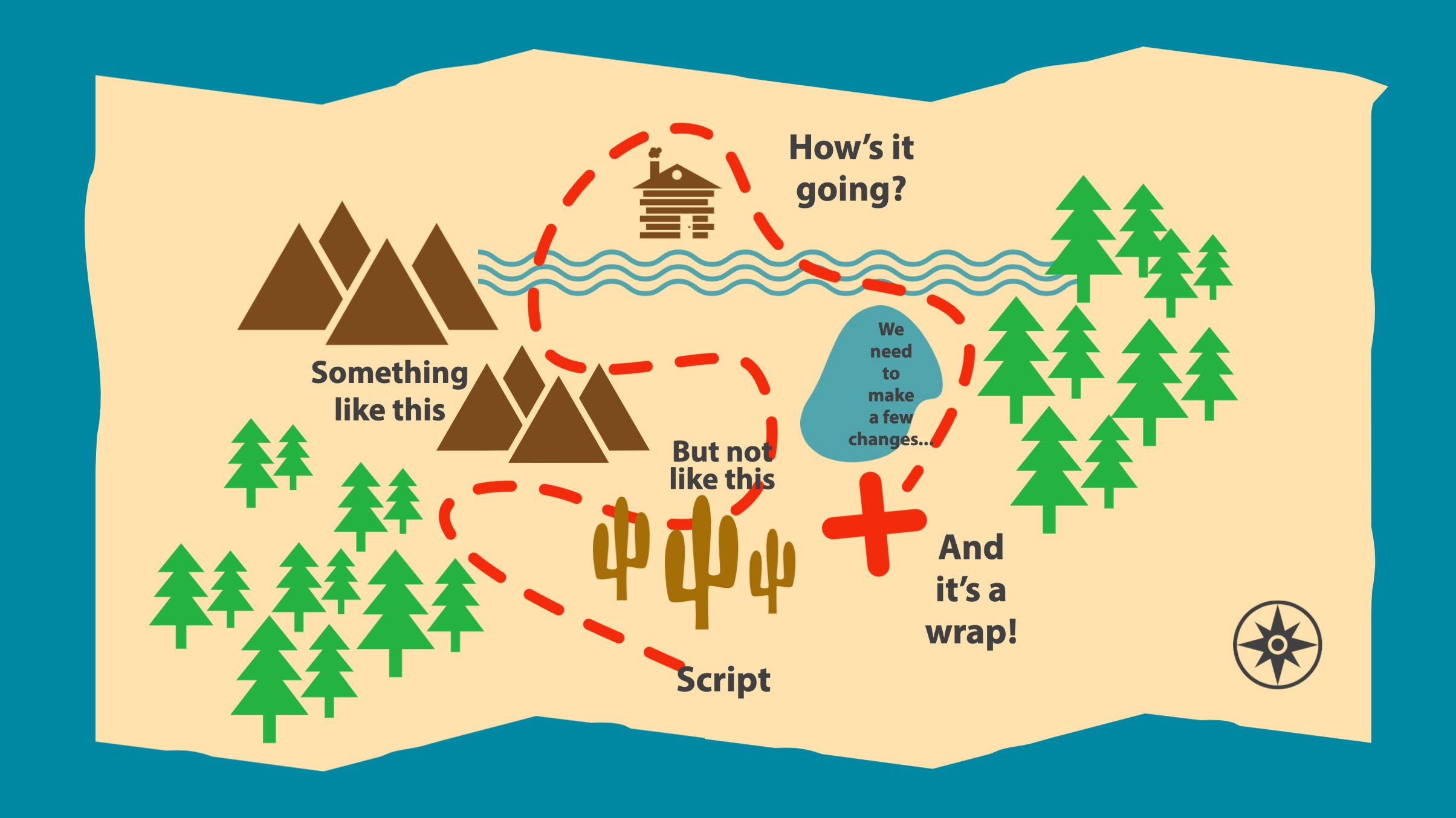
A Quick Guide to Making Really Effective Animation Videos
Animated videos bring corporate training (back) to life Tasked with developing content for your training materials library? This 5-step guide will help quickly bring you up to speed on what you need to do to make effective animation videos. Many companies today are…

Focus on design: how to think like a designer
An interview with our lead designer, Meredith Lindsay, exploring how she works with clients to creatively combine client needs with design expertise.
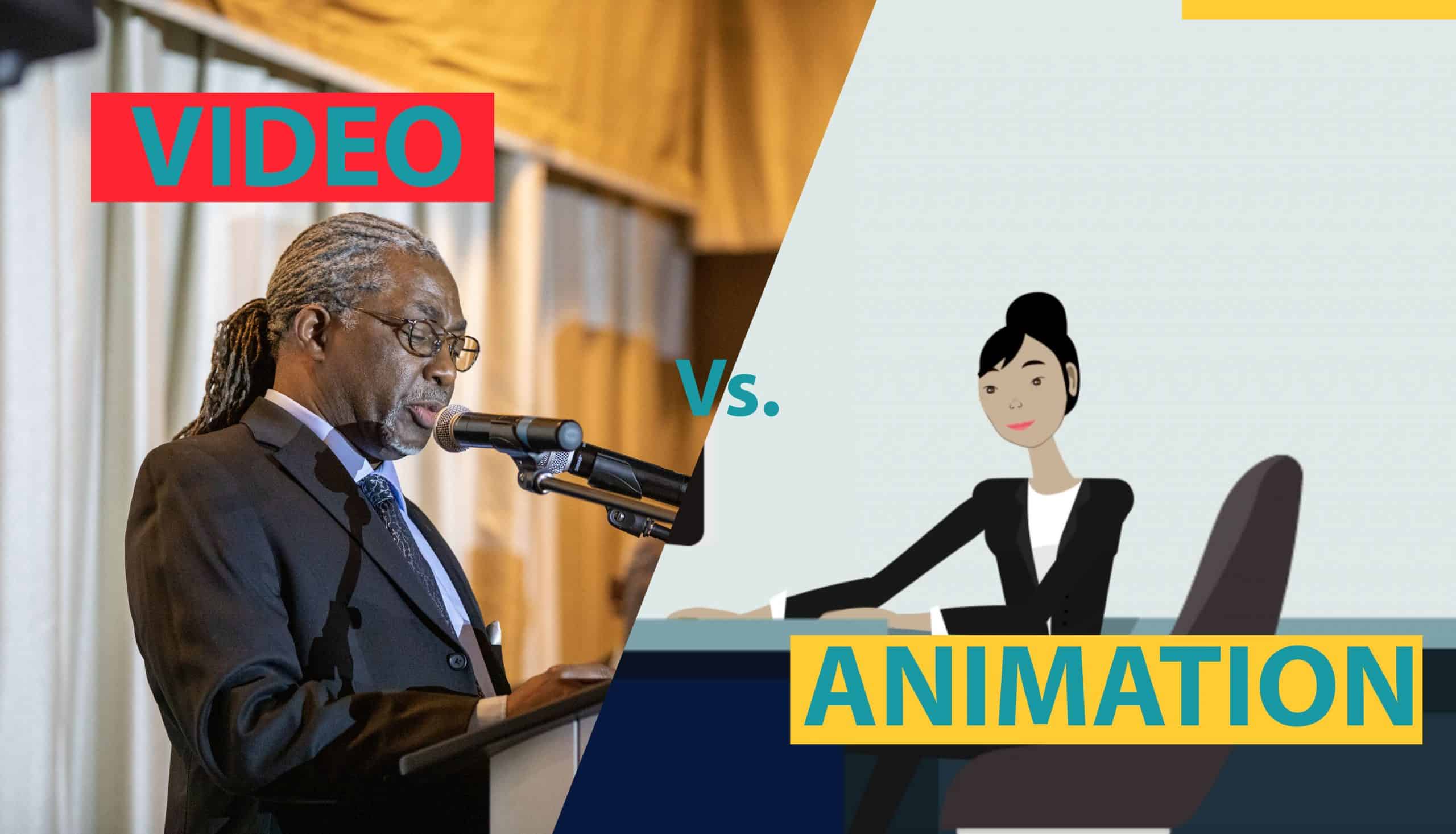
Tips for how to choose video vs. animation
Video vs. animation? Which format is right for your message? How to choose? This blog post delves into the pros and cons of each, as well as provides some guidelines for choosing the right format for your communication or training needs. What we mean when we…
Explore More Smile Stories
Unlock a wealth of resources designed to help you leverage the benefits of learning how to smile naturally, helping you lead a healthier, happier life –and get a profile photo you wil be happy to share.